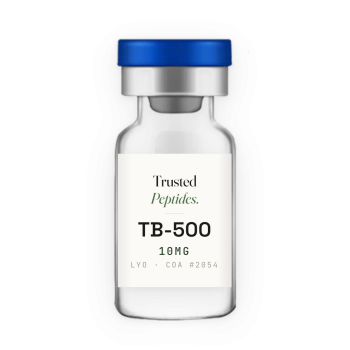
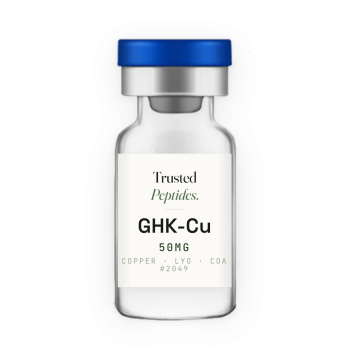
GLOW combines three powerhouse peptides — 10mg TB-500, 10mg BPC-157, and 50mg GHK-Cu — in a single vial purpose-built for skin biology research. Each component targets a distinct aspect of dermal health: TB-500 promotes cell migration and new blood vessel formation, BPC-157 drives repair signalling and growth factor expression, and GHK-Cu — shown to influence approximately 4,000 genes — supports collagen synthesis, antioxidant defence, and extracellular matrix remodelling. Together, the blend addresses collagen turnover, wound healing, skin barrier function, photoaging, and tissue resilience through complementary biological pathways. For researchers studying skin rejuvenation, repair, and anti-ageing mechanisms, GLOW offers a multi-target formulation that reflects the latest thinking in systems-level skin science.


GLOW – 10mg / 10mg / 50mg
£70.00
About GLOW 10/10/50mg
GLOW is a precision-blended peptide formulation combining three extensively researched compounds into a single vial for skin biology research: 10mg TB-500, 10mg BPC-157, and 50mg GHK-Cu. Each component brings a distinct and well-documented mechanism of action, and together they provide researchers with a multi-target tool for studying the interconnected processes that govern skin structure, repair, and resilience.
TB-500, a synthetic analogue of Thymosin Beta-4, is widely studied for its role in cell migration and angiogenesis — two processes fundamental to tissue repair and dermal remodelling. BPC-157, a pentadecapeptide derived from gastric juice, has been extensively researched for its effects on nitric oxide pathway modulation, growth factor expression, and cytoprotective mechanisms. GHK-Cu, a copper-binding tripeptide first isolated from human plasma by Pickart in 1973, is one of the most thoroughly studied peptides in skin biology, with published research demonstrating its influence on collagen synthesis, antioxidant enzyme regulation, and the expression of over 4,000 human genes.
The formulation targets research areas where peptide-based approaches have shown particular promise: collagen synthesis and turnover, wound remodelling, skin barrier function, photoaging mechanisms, and extracellular matrix (ECM) organisation. By combining peptides with complementary mechanisms — actin-mediated cell migration (TB-500), NO-driven repair signalling (BPC-157), and copper-dependent matrix remodelling (GHK-Cu) — GLOW is designed to support studies that explore how multiple biological signals interact within the dermal environment. This product is supplied exclusively for research use.
Research Summary
The science behind skin-targeted peptide research has expanded substantially over the past two decades. Bioactive peptides — short amino acid sequences capable of modulating cellular behaviour — have been shown in numerous in vitro studies to influence fibroblast activity, keratinocyte migration, and the synthesis of key extracellular matrix components including collagen types I and III, elastin, and glycosaminoglycans. These findings have established peptides as credible research tools for probing the fundamental mechanisms of skin maintenance and repair.
Collagen dynamics represent a central area of peptide-based skin research. Studies in cell culture have demonstrated that specific peptide sequences can upregulate procollagen synthesis in dermal fibroblasts, while others influence the activity of matrix metalloproteinases (MMPs) — the enzymes responsible for collagen degradation and ECM remodelling. The balance between collagen production and breakdown is a key determinant of dermal integrity, and peptide research has provided valuable insights into how this balance is regulated at the molecular level. Multi-peptide approaches allow researchers to study how simultaneous modulation of both synthetic and degradative pathways affects net tissue outcomes.
Skin barrier function is another area where peptide research has yielded meaningful results. The barrier is maintained by a complex interplay between lipid organisation, tight junction integrity, and the differentiation programme of keratinocytes. Published studies have identified peptide sequences that influence antimicrobial defence peptide expression, lipid synthesis in the stratum corneum, and the signalling cascades that drive keratinocyte differentiation. Research in this area is particularly relevant to understanding how the skin responds to environmental stressors, irritants, and disruption of its outer layers.
Photoaging — the premature structural deterioration of skin caused by ultraviolet radiation — has become a major focus of peptide research. UV exposure triggers cascading damage through reactive oxygen species (ROS) generation, MMP activation, and inflammatory signalling, ultimately leading to collagen fragmentation and elastin disorganisation. In vitro and in vivo animal studies have explored how peptide-based interventions can modulate these pathways, with research demonstrating peptide-mediated suppression of UV-induced MMP expression and reduction in oxidative stress markers in irradiated cell cultures.
ECM remodelling studies represent perhaps the most integrative application of peptide research in skin biology. The extracellular matrix is a dynamic scaffold that provides structural support while also serving as a reservoir of growth factors and signalling molecules. Peptide research has revealed how short bioactive sequences can influence ECM composition, cross-linking, and organisation — processes that are fundamental to wound repair, tissue homeostasis, and the structural changes associated with chronological ageing. Multi-peptide formulations offer a way to study how different remodelling signals interact and whether combinatorial approaches produce effects distinct from single-peptide treatments.
The rationale for blended peptide formulations in research reflects a broader shift in the field toward systems-level investigation. Rather than studying isolated pathways, researchers increasingly recognise that biological outcomes in skin tissue emerge from the interplay of multiple concurrent signals. Formulations like GLOW are designed to support this kind of integrative research, providing a defined multi-peptide tool that enables investigation of coordinated pathway activity within the dermal environment. This product is for research use only.

There are no reviews yet.